Understanding User Experience (UX) in Gaming
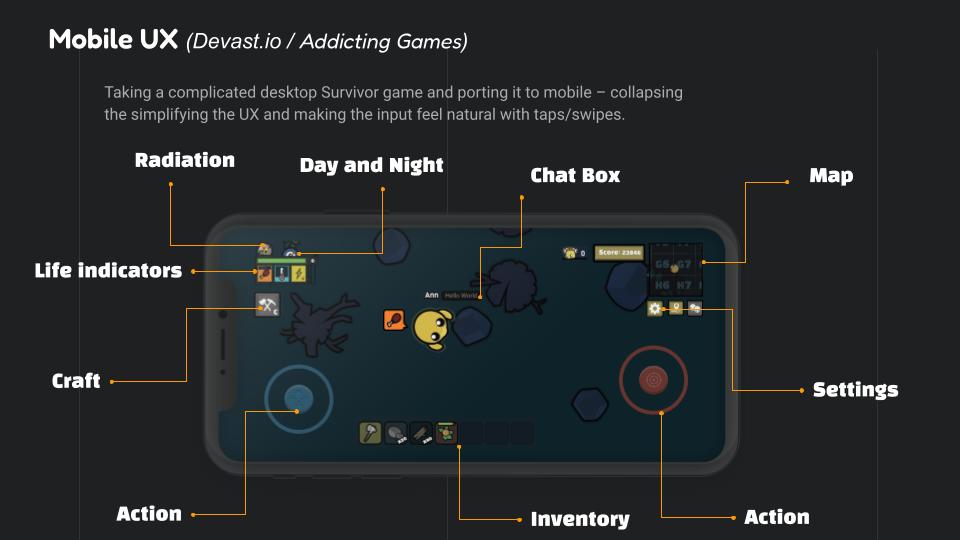
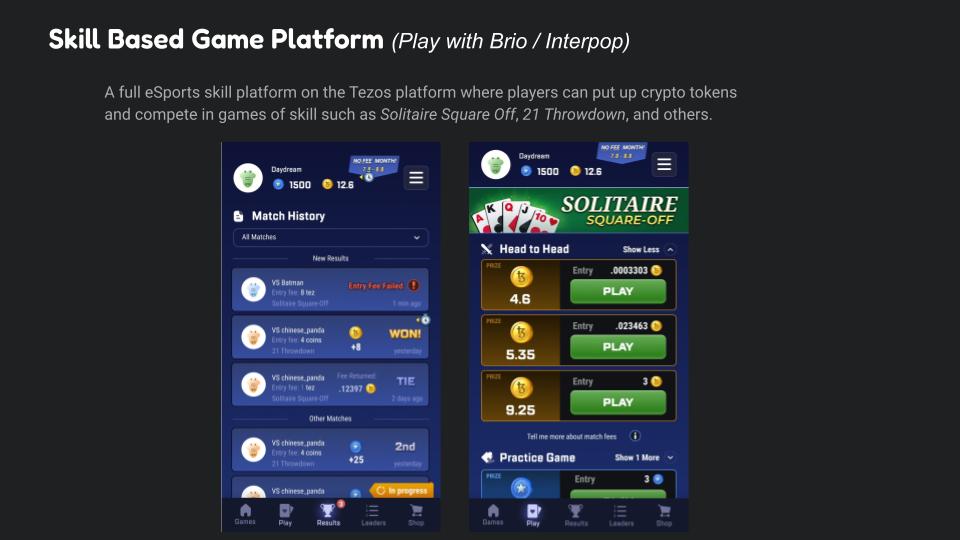
User Experience (UX) in gaming refers to the overall experience a player has while interacting with a game, encompassing elements such as the interface, controls, and mechanics. A well-designed UX ensures that players can navigate the game intuitively, enhancing their enjoyment and engagement.
For instance, a game with a seamless control scheme allows players to focus on the gameplay rather than struggling with confusing commands. Studies have shown that games with a strong emphasis on UX design often receive higher player ratings and retention rates, demonstrating the critical role of UX in the gaming industry.
Key Principles of Game UX Design
Effective game UX design is grounded in several key principles that guide developers in creating enjoyable experiences. These principles include clarity, consistency, and feedback, which help ensure that players understand how to interact with the game and feel rewarded for their actions.
For example, providing consistent visual cues and feedback when players achieve goals or complete tasks reinforces their understanding of the game mechanics. Additionally, incorporating user testing during the design process can help identify areas where players may struggle, allowing developers to refine the UX before the game's release.
Case Studies: Successful UX in Games
Examining successful games that prioritize UX design can provide valuable insights into effective strategies and techniques. Games like "The Legend of Zelda: Breath of the Wild" and "Celeste" are often cited for their intuitive controls and immersive experiences that keep players engaged for hours.
These games utilize clear visual hierarchies, responsive controls, and well-paced difficulty curves, showcasing how thoughtful UX design can elevate a gaming experience. By analyzing these case studies, developers can learn how to apply similar principles to their projects, ultimately leading to more enjoyable games.
Future Trends in Game UX Design
The landscape of game UX design is continually evolving, with emerging technologies and player expectations shaping future trends. Innovations such as virtual reality (VR) and augmented reality (AR) are pushing the boundaries of traditional UX design, requiring developers to rethink how players interact with games.
As players seek more immersive and interactive experiences, incorporating elements like haptic feedback and adaptive interfaces will become increasingly important. Staying ahead of these trends will be crucial for developers aiming to create captivating gaming experiences that resonate with modern audiences.