I Like Big BaaS: How Much Should a Game Studio Invest In Backend Development?
December 6, 2025
AI has landed on the game industry like a nuclear blast. As a tech-focused agency that makes games for companies big and small, AI has fundamentally reshaped what projects come our way, how we design and estimate, how we build and test, and how we run live operations.
Any write-up of AI tools will be out of date before the digital ink is dry but here’s a quick run-down of ways we actively use AI across the game dev lifecycle, trying our best to harness its awesome power without getting burned by the fallout.
Inbound New Projects
More and more, when someone reaches out with a new project they already have a vibe-coded prototype or a stack of heavy AI-generated art and game design docs.
To be honest, usually the artifacts they share are pretty darn solid! But the reason folks are looking for pros to help out is they realize something is off:
- The game isn’t ready to “put out there” but they are not quite sure how to articulate what’s missing.
- They’ve reached the end of their patience trying to vibe code a core feature to work exactly the way they want.
- They realize the game needs a more mature back-end if it’s going to stand up to real traffic.
- The game works but lacks fun – the levels aren’t well tuned or balanced.
The biggest current problem with AI-generated output is the excess – usually there’s just too much cruft and not enough elegance. Our first job is to clarify where human craft and engineering need to step back in.
Pre-Production / Ideation
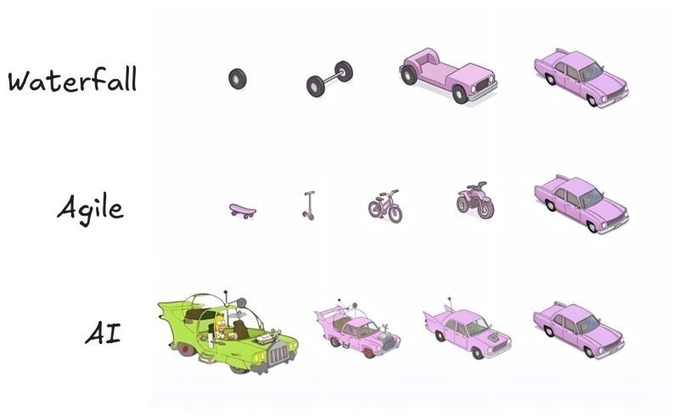
Pre-production is almost more important in the age of AI than it was in the dark-ages of a year ago since there are now so many different paths and processes to get a game built.
If there’s no working game yet, AI-assisted prototyping (using Figma’s AI or Claude Design) gets us from an idea to something you can actually play with remarkably quickly — full flows, screen to screen, tested before anyone commits serious production resource. That means we can explore more ideas, kill the weak ones earlier, and walk into production with much greater confidence in what we’re actually building.
Visual direction works the same way. Tools like Nano Banana, IP-Adapter by Tencent, or Midjourney can help us explore far more looks — characters, environments, individual game items — in a “living mood board” long before anyone commits expensive production time, which makes finding the “North Star” for a game’s look and feel a lot less of a gamble.
AI also can accelerate the drafting of clean, bulleted specs. But deciding what actually belongs in a game’s MVP, weighing up the technical, design, and business trade-offs and knowing what not to build still takes experienced product and engineering judgement — constraint is far harder than abundance. A clean MVP with good analytics and clearly defined goals is still what gives a game its best shot at success.
Development
Game production has undergone seismic change with the advent of AI tools.
Coding
All our engineers are versed at using AI-assisted assistants such as Claude Code, Cursor, or ChatGPT’s Codex. If you’ve played with these products you’ve likely been amazed how robust they are and how you can build hugely complex apps with one or two sentences of typing. They are also wonderful at “talking” to a huge complex codebase to figure out what is going on.
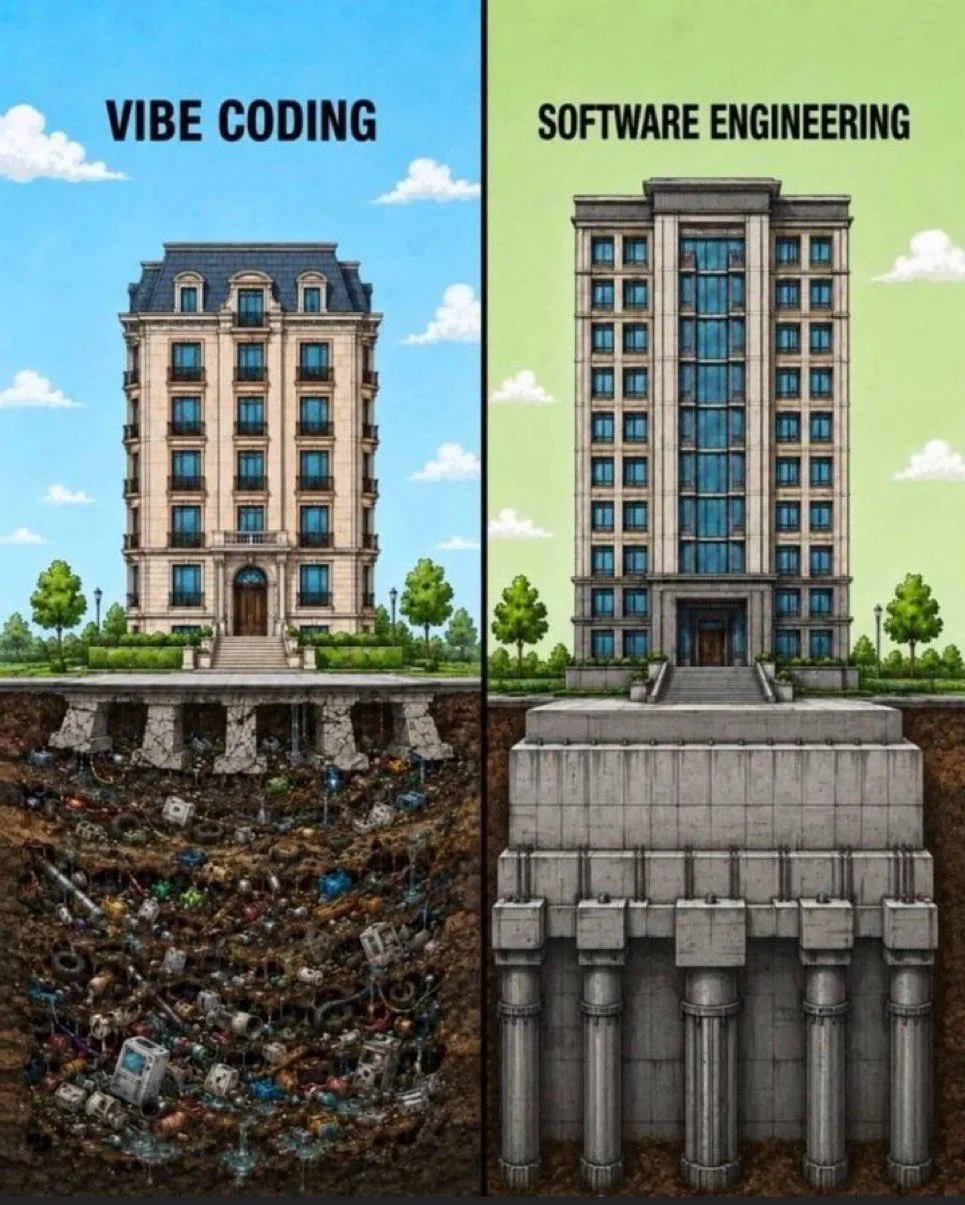
We’ve found that “one-shotting” big features with these tools, however, is a fool’s errand. Our engineers don’t ask AI to architect a production game and hope for the best. Experienced technical leadership sets the architecture, scalability, security and engineering standards first, and AI becomes an accelerator inside those guardrails — with senior engineers keeping oversight of everything that reaches production.
Art and Animation
This is where policy matters the most and it’s key to test out and define the acceptable workflow during pre-production. Usually an art team will follow the direction we set out during pre-production and hand-craft some key art for major characters, buildings, interface items, and other important pieces of game art.
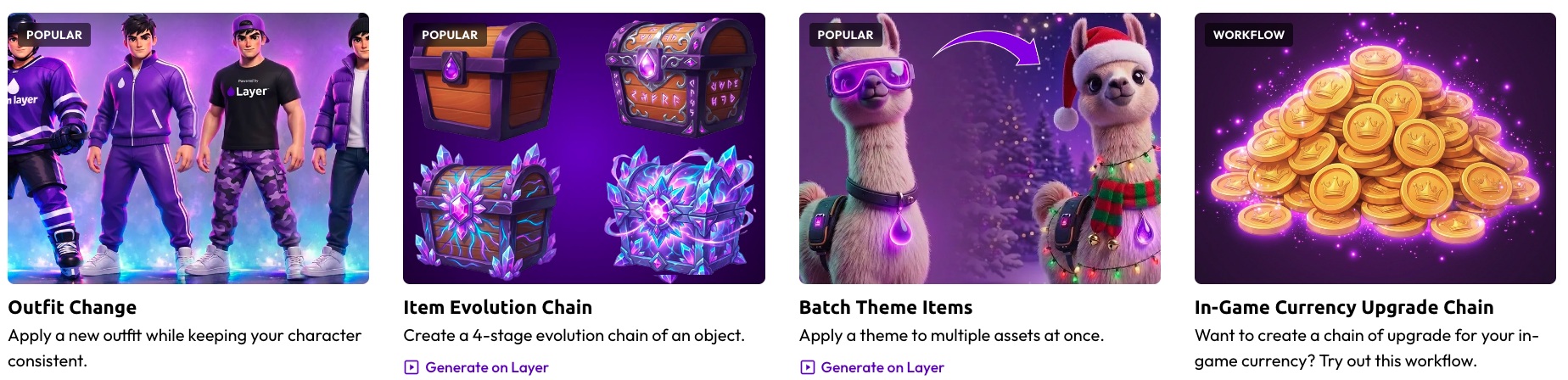
Once a visual direction has been approved, AI-assisted workflows (such as the LoRA adapter which uses base art as a guide) let us produce asset variations dramatically faster while holding a consistent visual language across all of them. Our artists stay tightly in the loop and usually “paint over” any generated assets to achieve consistency, refinement and final quality.
It’s worth playing with platforms such as Scenario, Leonardo.ai, ComfyUI, and Layer, each of which have their own specialties and workflow – though we’ve come up with our own, more customized, tools where our clients can fully own the training process as well as the assets.
The same shift has hit 3D, animation, trailers, cinematics, mood videos and UA creative: we can prototype all of it far earlier and far faster than we could a year ago. A pitch can be quickly created with a look already established and a cut trailer attached, and a marketing team can test a dozen creative directions with minimal production work.
Other Disciplines
Here are a few of our favorite tools and workflows for other game-dev skills:
- Narrative: While your mileage may vary on actual long-form stories or dramatic dialog, ChatGPT or Claude are great at doing “barks” or throwaway filler lines.
- Music, SFX, and Voice: We often use tools like Suno to find the feeling and rhythm of music or sound, then turn to a talented composer or sound designer to massage the final assets. Similarly, ElevenLabs makes it easy to stand up placeholder voices before final casting of voice actors.
- Economy Design: AI inside of spreadsheets (like Google’s Gemini in Google Sheets) is great to help model out and balance a complex economy but requires a human systems designer to fully manage the process. Using AI as a way to “talk to” analytics is also a great way to find out what real players are doing and compare the reality to your predictive models.
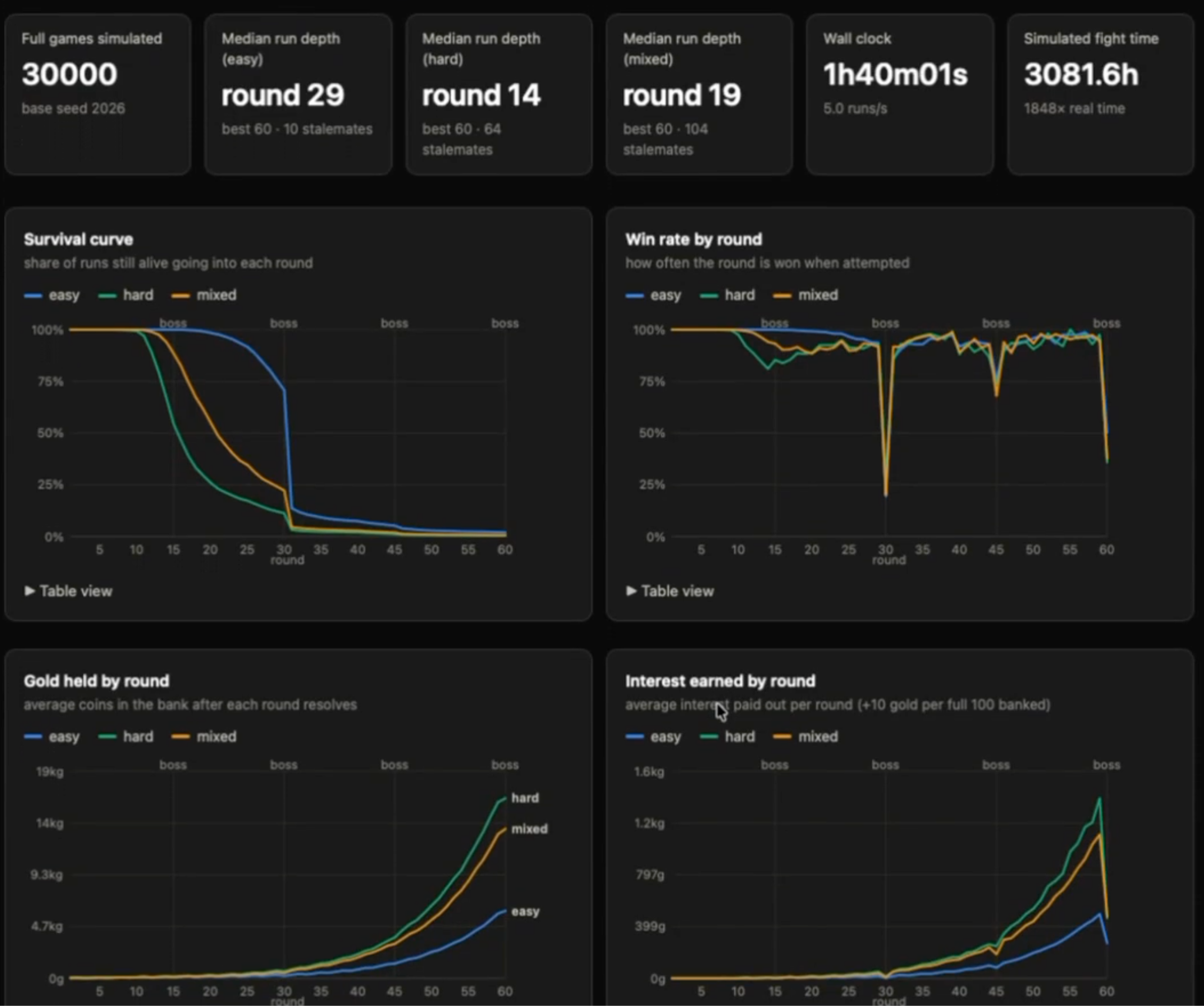
- Level Design: For a while now, we’ve used algorithms to “crank out” puzzle levels based on some templates that a good designer puts together. Now we have AI agents playing those levels tens of thousands of times before a player ever sees them, which hands our designers data that simply wasn’t practical to get before without expensive beta tests or soft launch periods.
- Localization: AI is fantastic at doing the first pass at translating text, but for important markets we recommend a real expert reviews everything and does a final edit.
- QA: Agents can be trained to play the game through every time there’s a build to tirelessly make sure no previous feature is broken, compare final screens to visual and written designs, and keep updated test plans. A strong QA analyst needs to run and keep oversight on the agent, but a lot of the day-to-day tedium of QA can now be automated.
Policy is the Best, Honestly
One of the first conversations we now have with any potential client is how open they are to using AI tools. We built a quick-and-dirty questionnaire to help partners gauge their comfort zone and generate a score card as well as a in-writing AI policy we can all adhere to:
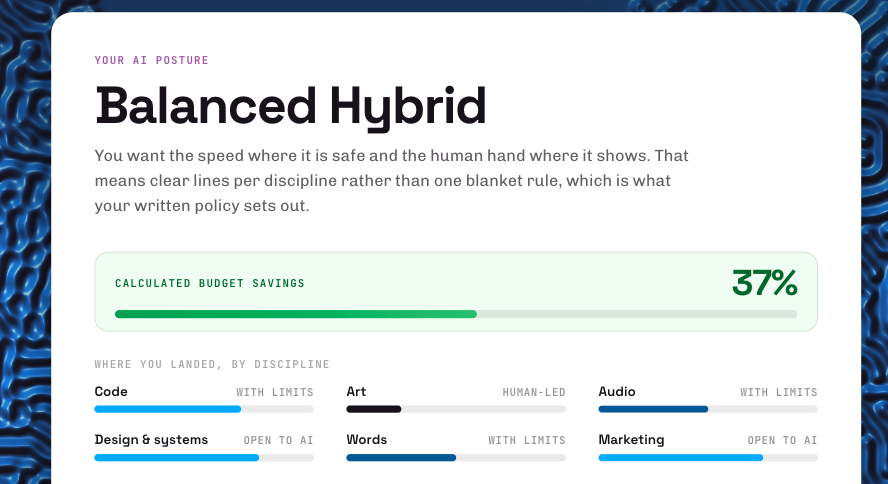
We’ve found most clients – surprise! – want to minimize time / budget and maximize quality. As such, they are very open to lots of AI as long as the final game is freakin’ awesome and final assets are cleanly considered their own IP. Some larger companies we work with, especially in the real-money casino space, are bound by legal restrictions or their community sentiment and make us put guardrails in place to ensure no computer-generated content is used — we have strict processes to keep things 100% human if that’s what is desired.
But we believe that as the warheads of AI continue to explode there’ll be no bunkers strong enough to hide in. We’re constantly evolving and learning and trying to help our partners use this unthinkably powerful tech to aim blasts at that most important and elusive of targets: generating maximum fun.
If you’re looking at your own development pipeline and wondering where AI could genuinely save you time or money — without compromising quality, maintainability or IP — talk to us. We’re happy to schedule a free intro call and discuss where we’ve found it useful, where we haven’t, and what that could mean for your project.